
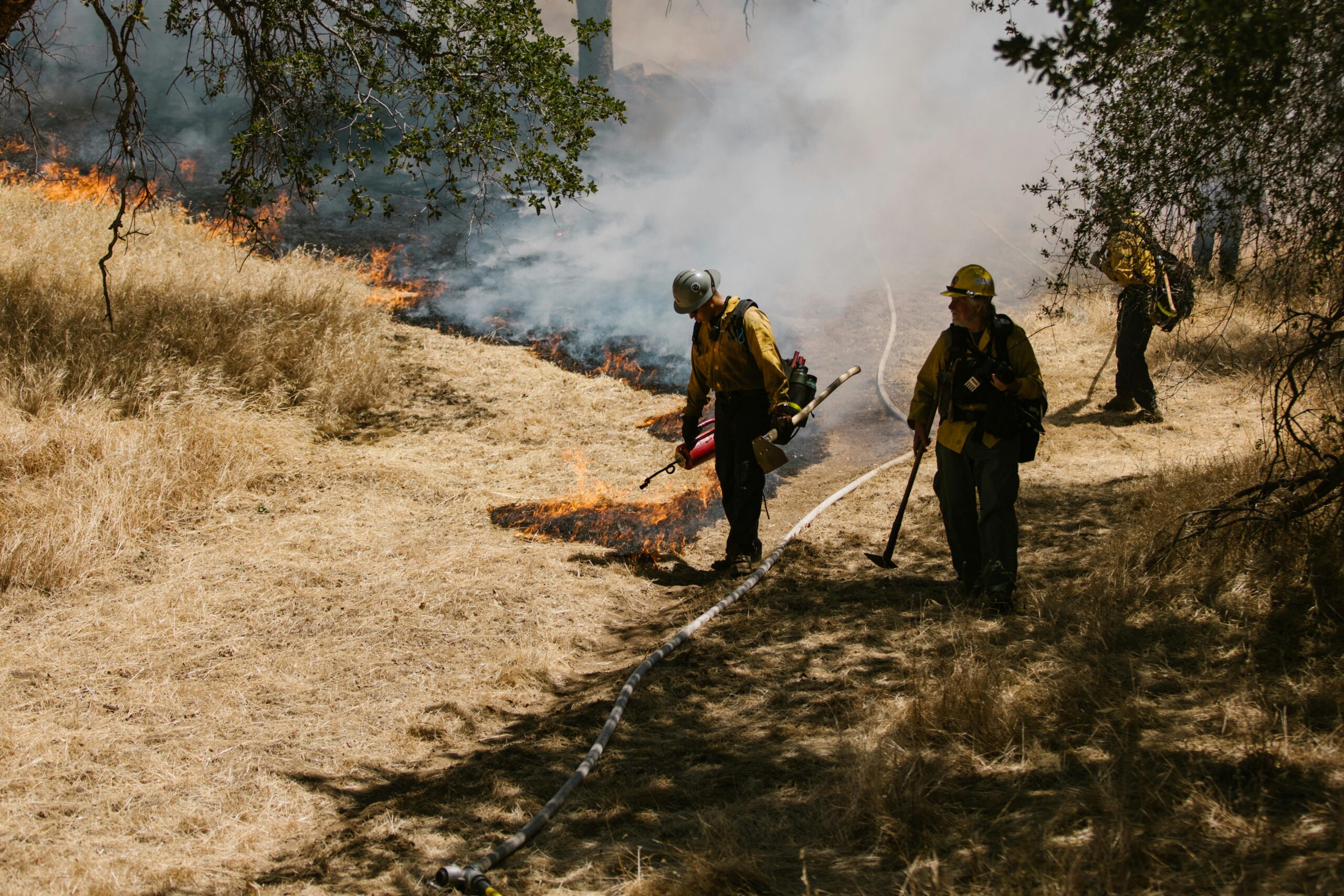
As wildfire risks intensify, prescribed fire is gaining attention as a proactive tool to reduce risk and restore healthier, more resilient landscapes.
The Canadian Prescribed Fire Training Program (CPFTP) is working to address these challenges by strengthening national capacity for the safe, responsible, and effective use of prescribed fire. Through evidence-informed training, cross-disciplinary collaboration, and respect for Indigenous-led fire stewardship, the program equips practitioners to support healthier, more resilient landscapes.
This session will highlight the role municipalities can play in advancing wildfire resilience, including how local governments and fire departments can build capacity to support safer, more resilient communities.
Speaker Bio:
Jane Park, Prescribed Fire Manager
Jane Park is the Prescribed Fire Manager for the Canadian Prescribed Fire Training Program (CPFTP). In her current role, she leads the development and implementation of the training program and is the primary liaison for partner agencies and organizations at the senior management level. Prior to joining the CPFTP worked for 23 years for the Parks Canada Agency in a variety of roles. She started her career with Parks Canada in 2002 as a park warden for Banff National Park and has worked in various parks from Vuntut National Park in the Yukon to Gwaii Haanas National Park Reserve on the northwest coast of BC. For 14 years she was the Fire and Vegetation Specialist in Banff National Park and most recently she worked as Parks Canada’s National Fire Management Program as the Fire Science Specialist. Much of her career has been focused on the reintroduction of fire onto the landscape through prescribed fire, wildfire management, fuel management, non-native and invasive vegetation management, and ecosystem restoration. She was an Incident Commander on one of the 5 Parks Canada National Incident Management teams and has worked on numerous large wildfires across many national parks and provinces in Canada. Her work also includes raising awareness of gender and diversity issues within the broader wildland fire community.